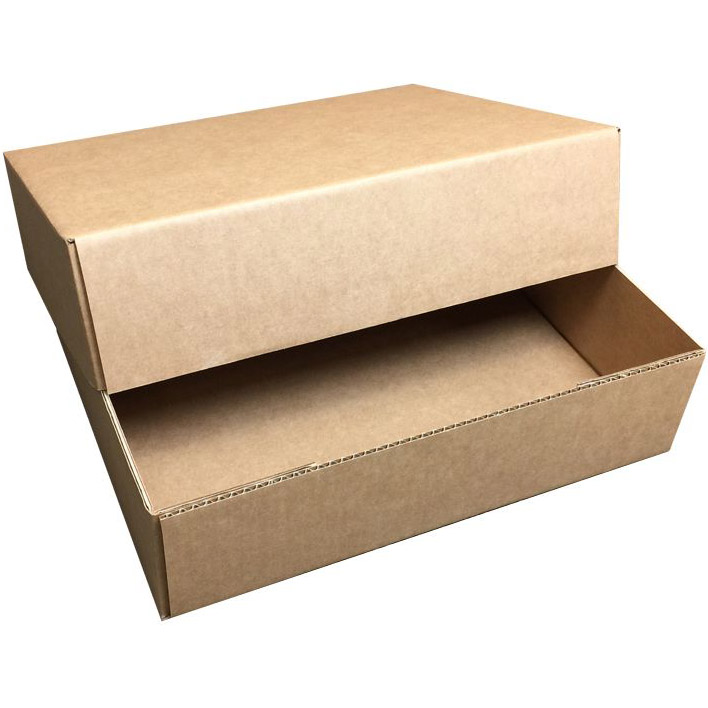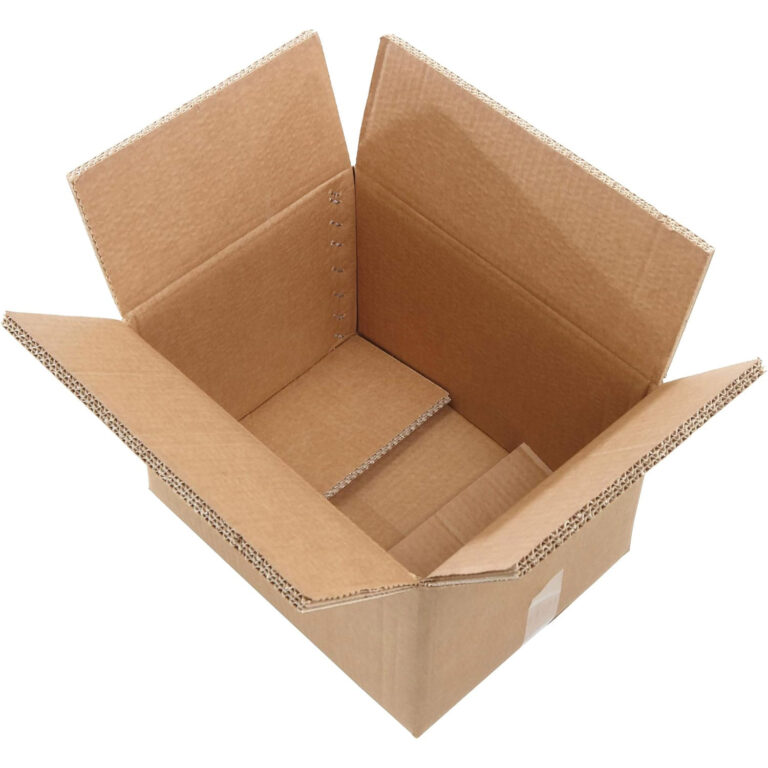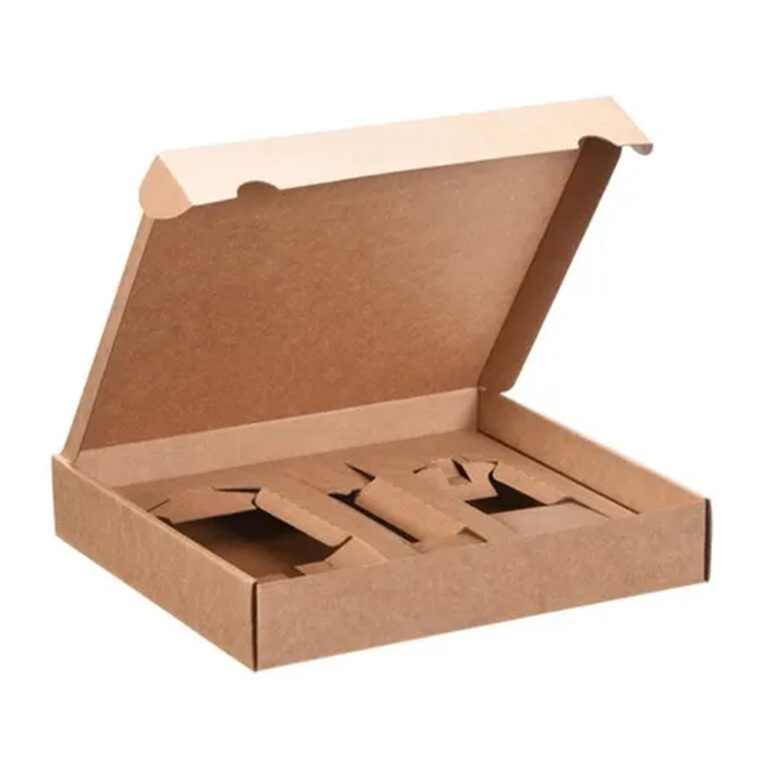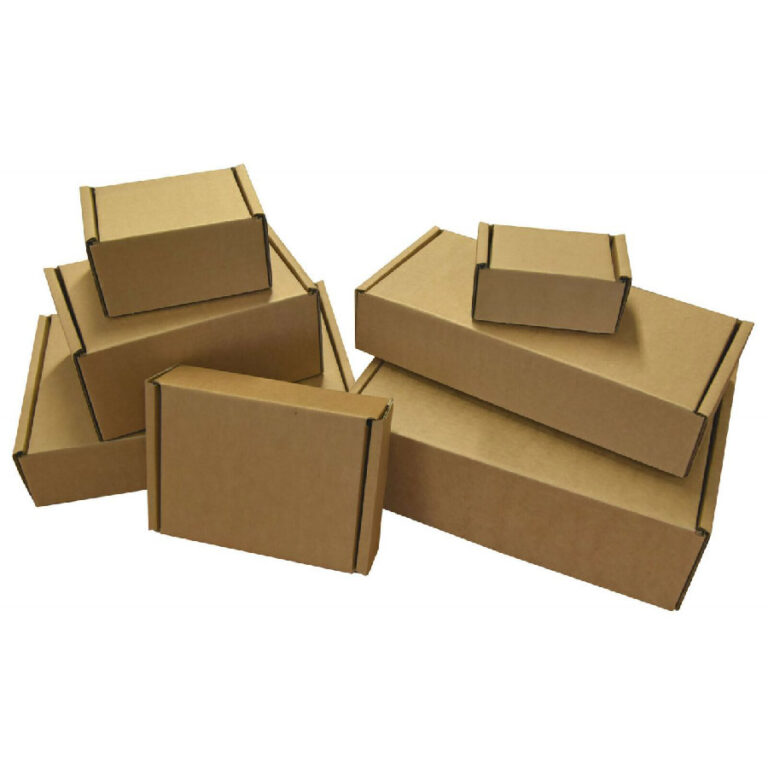



ESD stands for ‘Electrostatic Discharge’. An ESD box is a type of box made from a special material that helps prevent electrostatic discharge. ESD boxes are specifically manufactured for the transport and storage of products sensitive to static electricity, such as electronic components.
ESD-rated boxes utilise specialised manufacturing techniques or materials in the cardboard’s composition to prevent the build-up of static electricity on their inner and/or outer surfaces. This prevents the sensitive components inside from being damaged or malfunctioning due to static electricity.
ESD boxes are used in sectors such as the electronics industry, semiconductor manufacturers, microprocessor manufacturers, manufacturers of precision equipment, and in assembly lines and assembly operations. ESD boxes are used specifically to minimise the risk of damage caused by static electricity during the storage and transport of electronic components, integrated circuits, semiconductors, precision instruments and similar products.
ESD-rated boxes are used to prevent the adverse effects of electrostatic discharge on products and to ensure the reliable protection of electronic components. These boxes play a vital role in preventing potential damage during the production, assembly, storage and transport of sensitive electronic products.


General Features
- Electrostatic Control: ESD-controlled boxes prevent the build-up of electrostatic charges and protect products from electrostatic damage. This ensures the protection of sensitive electronic components.
- Special Materials: ESD boxes are generally manufactured from special materials. In particular, they are produced using specialised manufacturing processes designed to prevent electrostatic discharge.
- Durability: ESD-controlled boxes made from corrugated cardboard are generally sturdy and durable. They provide protection during the transport of goods.
- Protection and Security: Provides protection during the transport and storage of electronic components, microchips and sensitive devices. By controlling electrostatic discharge, it ensures that the quality and performance of the products are maintained. ESD-rated packaging prevents damage to products and data loss.
- Flexibility: They can be produced in various sizes and shapes. This makes them suitable for packaging delicate products of various sizes or shapes. Branding and warning messages can be printed on the outer surface to enhance brand recognition.
- Industrial Use: They are preferred in sectors where precision electronic components are manufactured or used, such as the electronics industry, microchip production and semiconductor manufacturing.
- Compliance with International Standards: Some ESD boxes are manufactured in accordance with international standards (for example, ANSI/ESD, IEC or other industry standards).
- Suitability for Various Sizes and Shapes: They can be manufactured in different sizes and shapes, making them suitable for packaging a wide range of electronic components or devices.
- Cost-Effective Protection: This is a cost-effective solution for preventing electrostatic discharge and offers an economical option whilst ensuring product safety.
Areas of Application
- Electronics Manufacturers: Companies that produce electronic products such as computers, mobile phones, electronic components and integrated circuits.
- Integrated Circuit Manufacturers: Companies that manufacture microchips, integrated circuits or electronic components use ESD packaging to prevent damage to sensitive and electrically vulnerable components.
- Electronic Equipment: Companies that manufacture precision measuring instruments, precision electronic devices or test equipment can use ESD boxes to store and transport their products.
- Automotive Electronics: Companies involved in the manufacture or assembly of electronic parts for the automotive industry may opt for ESD boxes to store and transport the electronic components used in vehicles.
- Semiconductor Manufacturers: Companies that manufacture and process semiconductor products require ESD boxes and ESD packaging products to protect integrated circuits and microchips.
- Electronics Assembly Companies: Companies that use precision components in their electronics assembly and manufacturing processes may opt for ESD packaging to ensure the safety of their products.
- Telecommunications Companies: Firms that manufacture telecommunications products such as telephones, modems and routers require ESD boxes and ESD packaging products for the transport and storage of their goods.
- Medical Device Manufacturers: Companies involved in the manufacture and distribution of precision medical devices and equipment may opt for ESD boxes and ESD packaging products to protect their products from electrostatic discharge.
| Technical Information Guide | ||||||
| Quality | E Wave | Wave B | C Wave | EB Wave | BC Wave | BCA |
| Dimensions | 1.0–1.8 mm | 2.2–3.0 mm | 3.2–4.0 mm | 4.2–5.0 mm | 6.2–7.2 mm | 10.7–12.0 mm |
| Type | Single Gutter | Single Gutter | Single Gutter | Double Groove (Dopel) | Double Groove (Dopel) | Three Gutters (Triplex) |
| 3 Layers | 3 Layers | 3 Layers | 5 Layers | 5 Layers | 7 Layers | |
| For ESD boxes, single-flute and double-flute B, C, BC and EB corrugated cardboard types may be used. | ||||||
| The dimensions of corrugated cardboard vary depending on the type of paper and grammage. | ||||||