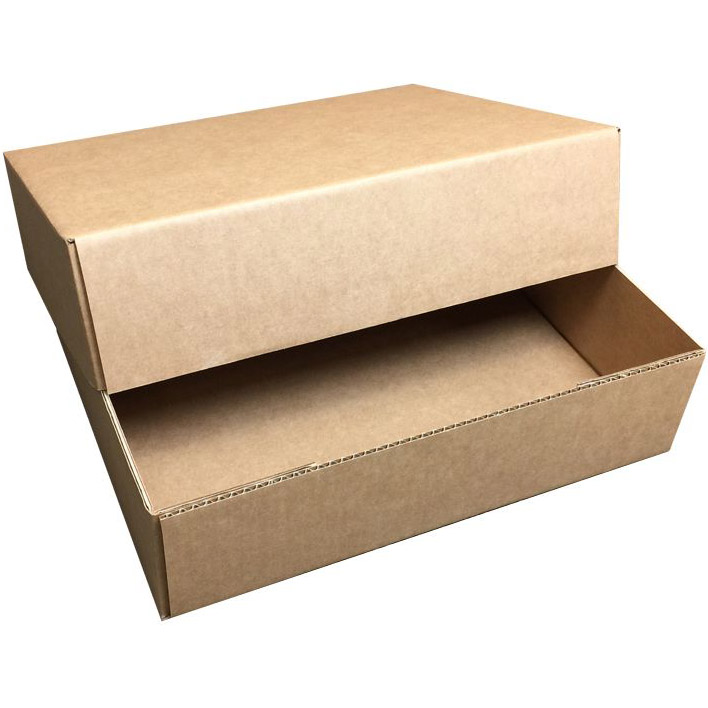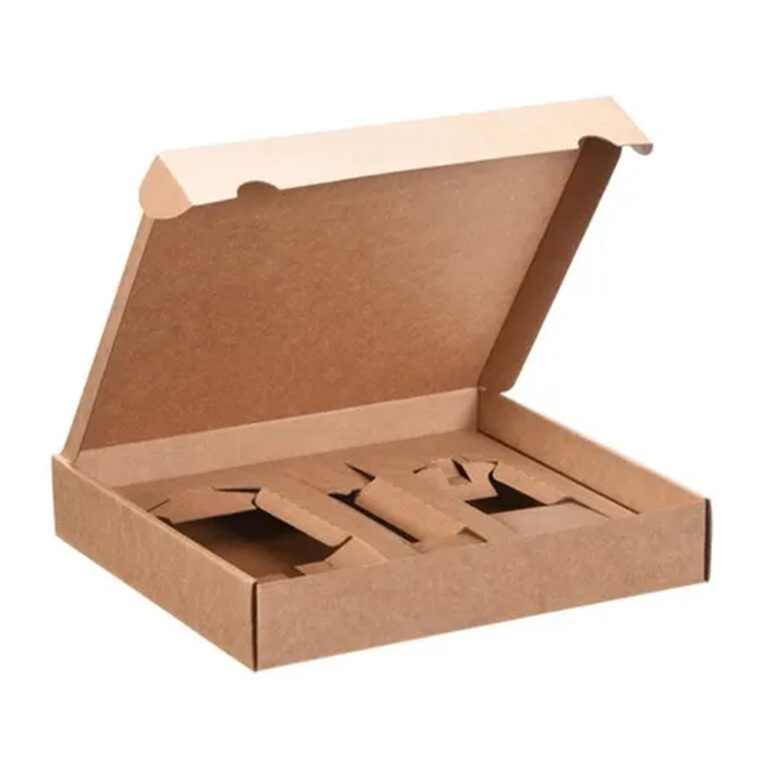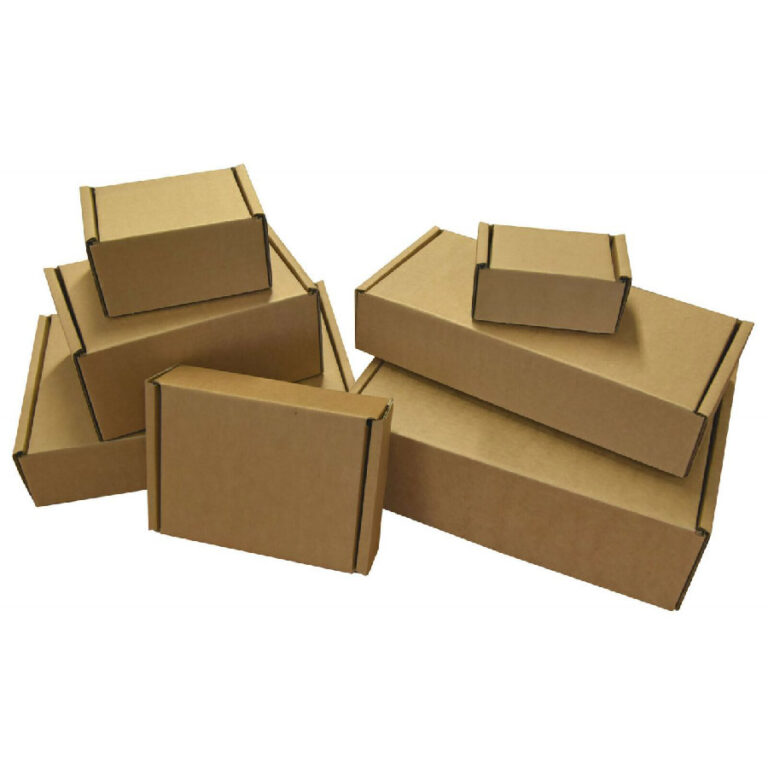



Interlayer cardboard generally refers to additional protection provided within or outside packaging to safeguard a product. This type of cardboard typically acts as a protective layer between other cardboard or packaging materials.
Interleaving cardboard is used in the packaging process to provide greater durability and protection. Interleaving cardboard is frequently used in the packaging process to prevent products from being damaged, minimise damage during transit and ensure they are stored safely without spoiling.
Interleaving boards can come in various sizes. During the packaging process, they are selected appropriately depending on the different sizes and configuration requirements. During the packaging process, the interleaving cardboard sheets placed inside cartons or boxes help to protect the product from impact during transport and storage.
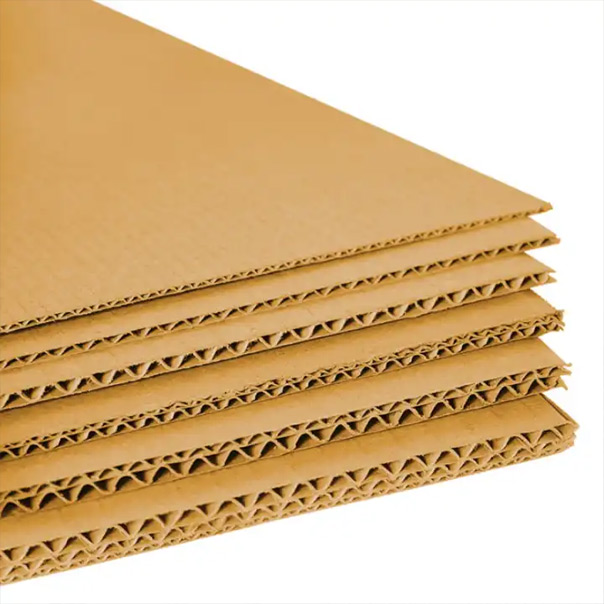
Interlayer cardboard is usually formed by bonding three or more layers together. E, B, C, BC and BCA flutes are typically used. The interlayer cardboard situated between these layers generally has a thicker or more robust structure. This enhances the product’s level of protection, depending on the choice of interlayer cardboard.


General Features
- Durability: Intermediate cardboard is generally thicker and sturdier. This property helps to ensure that products are better protected during transport.
- Flexibility: The ability to adapt to different characteristics and to be divided and shaped.
- Protection: Helps to protect products against impacts, forces and other external factors. Prevents products from being damaged during transport and storage.
- Safety in Transport and Logistics Processes: During the distribution and transport of goods, the intermediate cardboard insert prevents the product structure from coming apart, thereby ensuring a safer transport process.
- Use in Various Industries: It can be used for the packaging, wrapping and protection of products in many industries, such as food, retail, electronics, textiles and construction.
Areas of Application
- E-commerce
- Retail and Packaging
- Food Industry
- Transport and Logistics
- Construction
- Automotive Industry
- Industrial Use
These are the main areas where it is commonly used.