


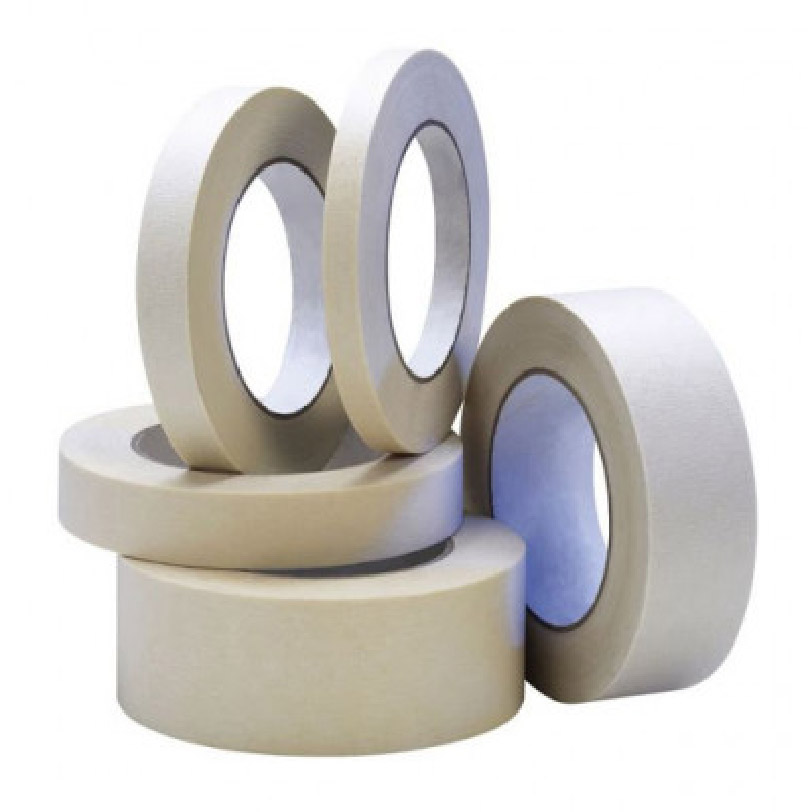
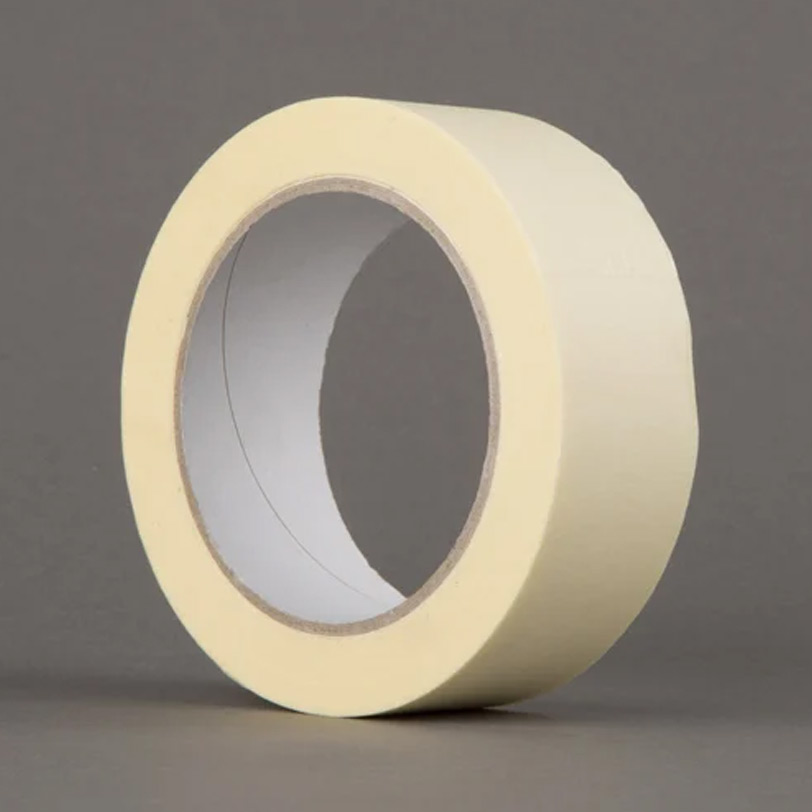
Masking tape is a specialised type of tape, typically used for painting or to protect surfaces. It is generally used to cover and protect specific areas of surfaces to be painted, ensuring they are not affected by scratches or paint.
This type of tape is generally used prior to painting. Masking tape is particularly favoured when painting walls, furniture or similar surfaces, to prevent unwanted paint from splattering onto or sticking to other areas. It also helps to separate different colours or areas by creating sharp lines.
Masking tapes are generally paint-resistant, have an adhesive that is easy to remove, and can be easily peeled off once applied to surfaces. They can be removed easily after painting and generally leave no residue on surfaces.
General Features
- Painting Techniques: These are used to protect specific areas of the surfaces to be painted and to create crisp lines. They are commonly used in tasks such as painting walls and furniture.
- Surface Protection: These are used to provide temporary protection for specific areas of a surface. In particular, they can be used to prevent damage to sensitive or fragile surfaces during painting or other processes.
- Creating Masked Areas: These can be used to create specific patterns or shapes. They can be used to mask specific areas in order to create custom designs or patterns.
- General Features;
- Adhesiveness: Masking tapes should generally be sufficiently adhesive to adhere firmly and securely to the surface to which they are applied. However, they should be easy to remove once applied.
- Surface Protection: These tapes are generally used to protect surfaces from painting, polishing or spray applications. They must therefore be able to provide temporary protection for surfaces.
- Flexibility and Applicability: It must be able to conform to the shape of the surface to which it is applied and adhere properly. Furthermore, it must be easy to apply to different surfaces.
- Durability: It is not desirable for the tape to tear or become deformed during the painting process. It must therefore be durable.
- Easy Removal After Painting: After the process, the tape should be easily removed from the surface without leaving any marks.
- Long-Term Adhesion: Where necessary, the material may need to remain adhered for a certain period of time. For this reason, the ability to maintain adhesion over a long period may be important in certain applications.
- Various Sizes and Widths: It should offer a range of sizes and widths to suit different tasks.
- Temperature Resistance: Some masking tapes may be resistant to high-temperature applications or oven-safe environments.
Areas of Application
- The automotive industry generally uses masking tapes that are of high quality and have specialised properties.
- Painting processes can be delicate and may require tapes that can withstand high temperatures and are resistant to chemicals.
- The construction sector may often opt for large-sized masking tapes when painting or coating large areas.
- The painting and decoration sectors generally use masking tape during painting operations to ensure that surfaces are properly protected.
- Metal Areas: These are used during metal production and assembly for painting and area marking purposes.
| Type of Adhesive | Acrylic, Rubber, Natural Rubber |
| Thickness | 80–140 microns |
| Width | 18–60 mm |
| Length | 25–100 metres |
| No | |
| Colour | Leather, Paper |
| Adhesive Strength | 35 N/cm |
| Application Temperature | Between 60°C and 120°C |
| Flexibility | Flexible, adapts to different surfaces |
| Tensile Strength | 35 N/cm |
| Environmental Resilience | Resistant to water, paint, moisture and heat |
| Shelf Life | 2 years |
| Area of Application | Floor, Wall, Plaster, Metal, PVC |